

Media Designer – a profession between creativity and technology

When you look at how printing and design used to work, it almost seems like something from another world. Typesetters set letters one by one, reprographers took care of the technical preparation of templates, and artwork producers ensured that everything was ready for printing. With the arrival of digitalization in the 1980s and 1990s, these traditional professions gradually disappeared.
1998 was the turning point: the training professions were merged and modernized. The “Media Designer Digital and Print” was created, a profession that bundled the new requirements. Instead of lead typesetting and printing plates, the focus is now on computers, design software and digital workflows. And this profession is not standing still either: the training was revised in 2007 and 2023 to include topics such as cross-media, social media, project management and the growing importance of digital media.
What does a Media Designer actually do?
The short answer: Media Designers make ideas visible.
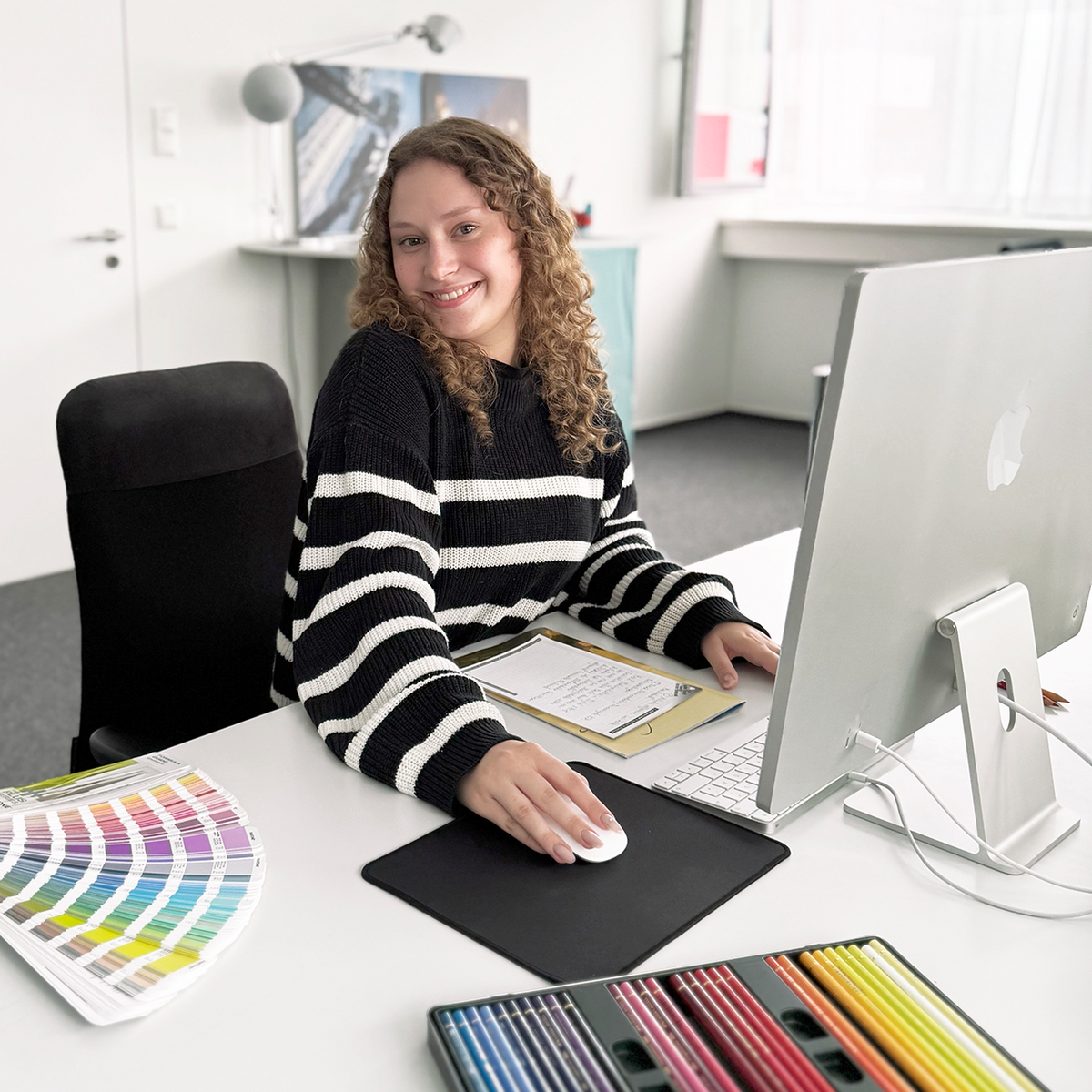
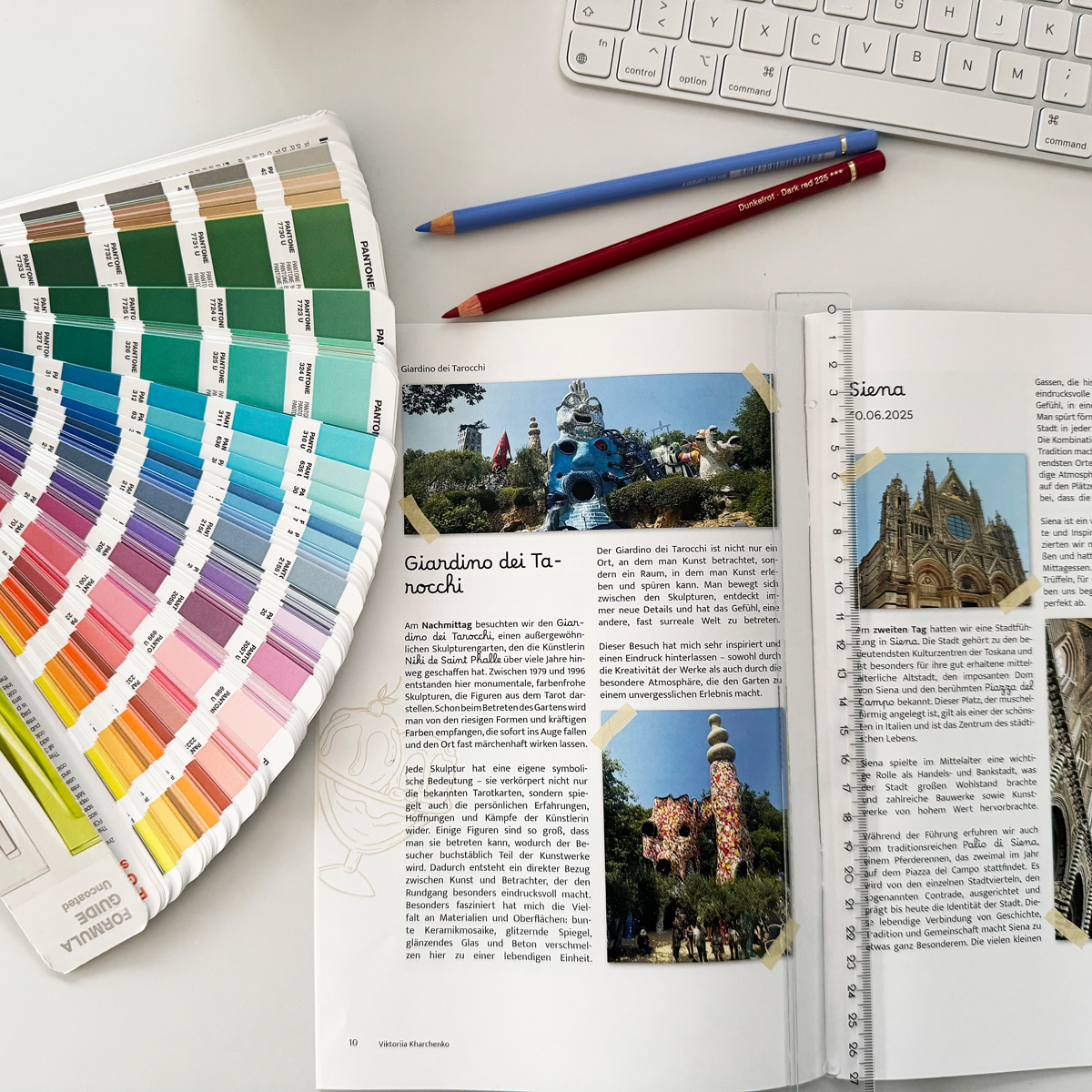
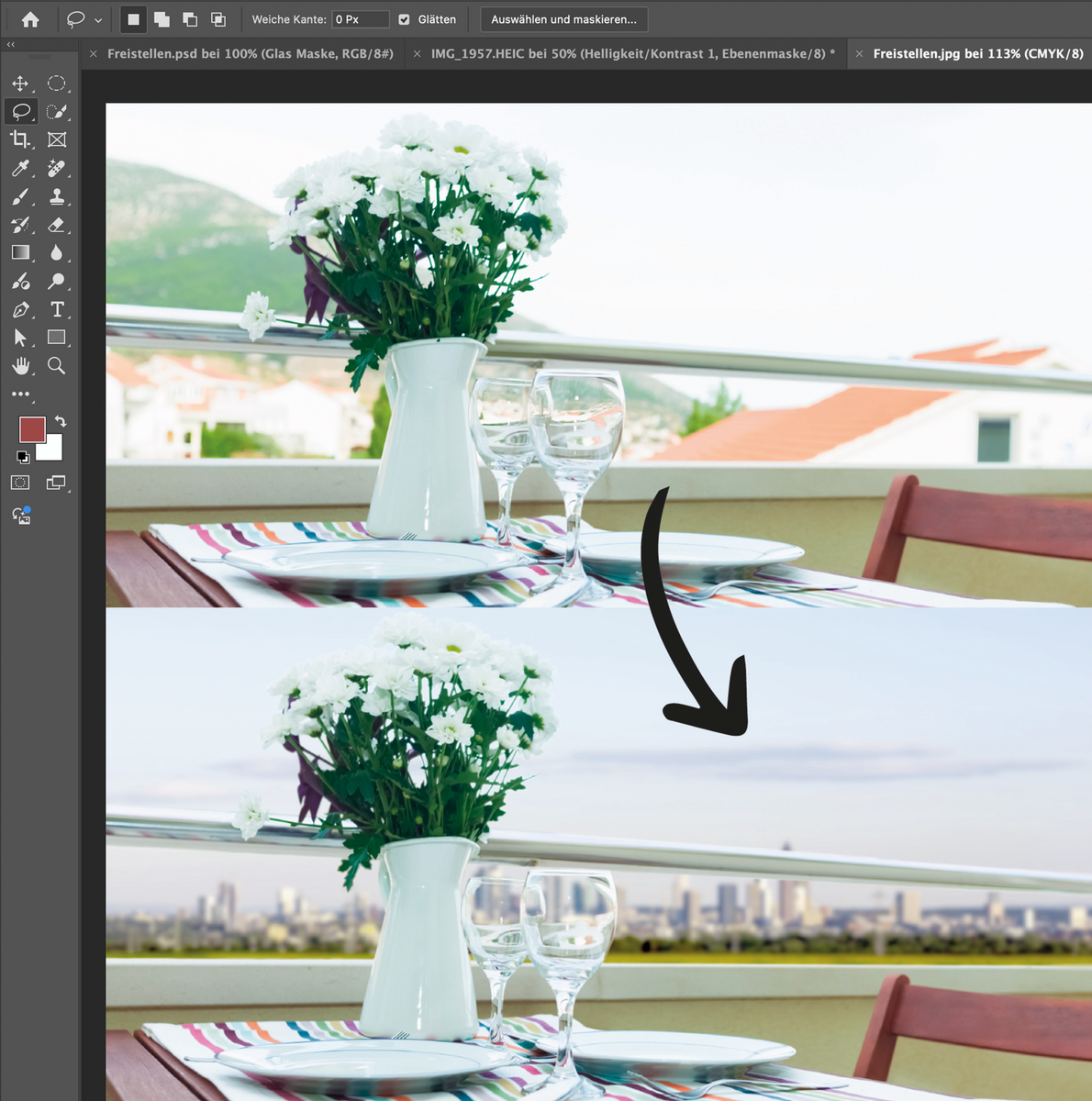
The longer answer: They are the interface between creativity, technology and communication. On the one hand, they design layouts, edit images, select fonts and colors – in other words, everything that makes a product visually appealing. On the other hand, they ensure that this design also works technically: Checking data, adjusting color profiles, preparing print templates or adapting digital media formats.
A working day can look very different: Designing a brochure today, developing a social media design tomorrow, finalizing the print data for a huge exhibition banner the day after tomorrow. It is precisely this mix of creative freedom and technical sensitivity that makes the job varied and exciting.
The four specializations
Training to become a Media Designer Digital & Print takes three years and has a dual structure: you gain practical experience in the company and theory at vocational school. Around a third of the time is spent in one of the four specializations that determine the focus:
Project management
Anyone who works here is an organizer. You oversee the entire process, from preparing the offer to acceptance. This includes calculating costs, drawing up schedules, developing exhibition stands, advising customers and ensuring that projects run smoothly.
Design concept
This is about creativity in its purest form: developing ideas, creating mood boards, developing design concepts for trade fairs and brochures, implementing corporate designs. It is the specialty for those who feel most comfortable in the concept phase.
Print media
This area focuses on classic print production. Media Designers check print data, adjust color profiles, prepare files for different printing processes and accompany the process through to the finished product. Without this precision, there would be no high-quality posters, exhibition walls, banners or brochures.
Digital media
Websites, social media content, animations and interactive presentations – everything here revolves around the design of digital channels. The tasks range from screen design to the implementation of responsive layouts for various end devices.
Learning at vocational school
In addition to day-to-day work in the company, the focus is also on vocational school. It's not just about design, but also about:
Typography – how fonts work and are used
Design theory – colors, shapes and composition
Media technology – from printing processes to digital publishing
Business and project planning – how to calculate offers or keep budgets under control
In Frankfurt, for example, training takes place at the Anni-Albers-Schule, formerly known as the Gutenbergschule. It is just one of many vocational schools in Germany, but each has its own focus. While some schools focus more on traditional print media, others focus more on digital design.
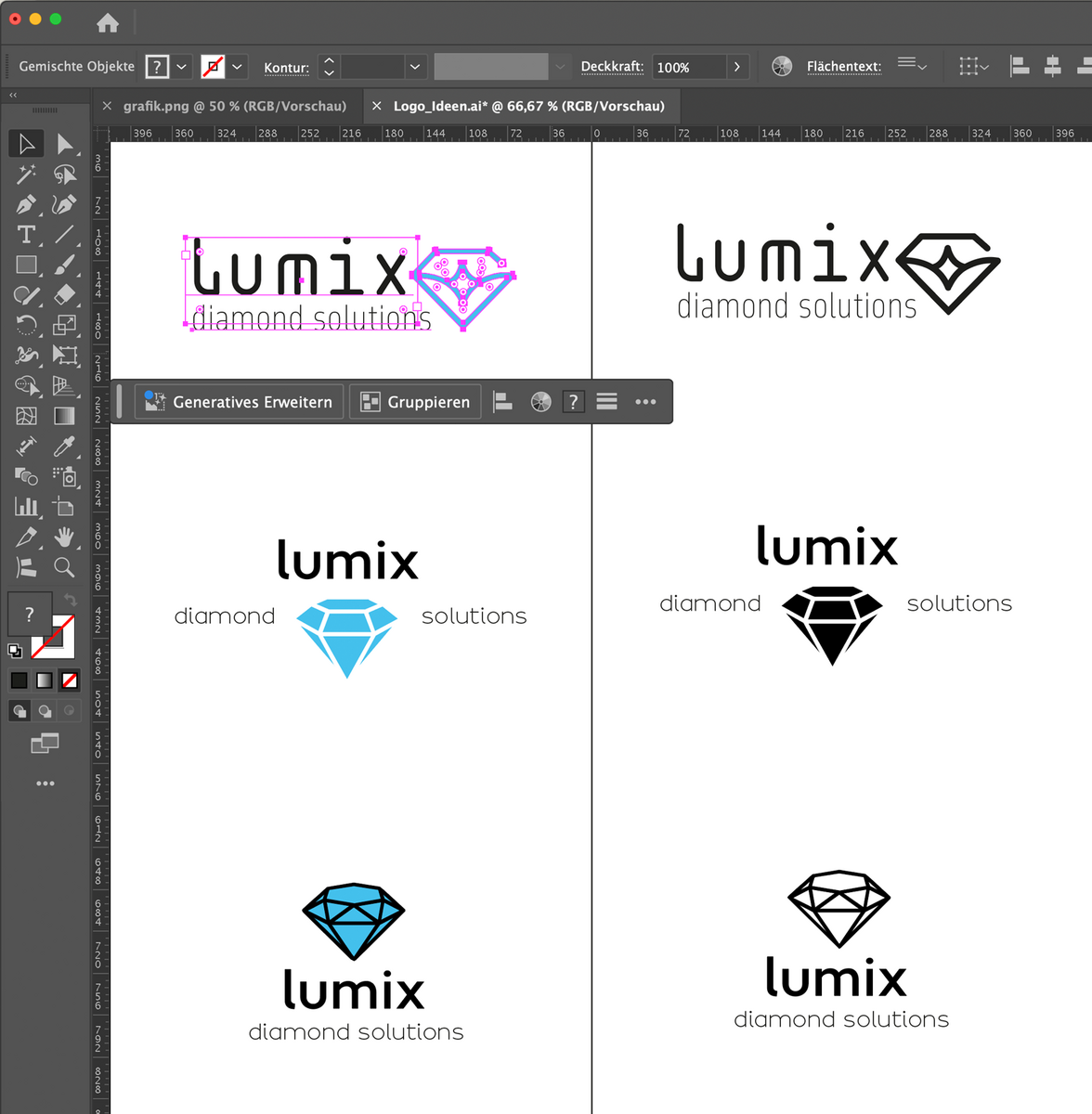

Goals and opportunities in the profession
The profession of Media Designer has never stood still – and that is its great strength. Today, the spectrum ranges from traditional print products such as posters and catalogs to cross-media campaigns and digital content.
The goals are always the same:
• Make communication visible
• Translate ideas into a medium
• Ensure quality in design and technology
And the opportunities? Those who complete the training can work in many areas: in advertising agencies, print shops, publishing houses, start-ups or in-house in large companies. With experience or further training, doors are also open to areas such as UI/UX design, project management or self-employment.
A profession with a future
Of course, digitalization brings new challenges: Artificial intelligence, automation, constantly new software. But this is also where the potential lies: Media Designers remain in demand because, in the end, it always takes people who combine creativity, technology and customer requirements.
If you are looking for a job with variety, creative power and future potential, Media Designer Digital & Print is more than just a job – it is a craft that moves with the times and is constantly being reinvented.


MARTINCOLOR GmbH & Co. KG
Gaugrafenstraße 24 d | 60489 Frankfurt am Main | Phone +49 (0) 69 756080-0 | Fax +49 (0) 69 756080-88 | info(at)martincolor.de
OUR OPENING HOURS
Monday – Friday from 9 a.m. to 6 p.m.